So, f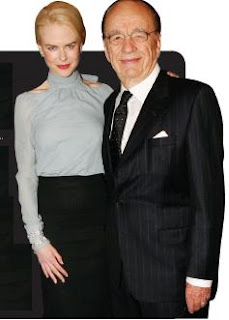 inally the deed is done! After weeks and weeks of negotiating and renegotiating, media tycoon Rupert Murdoch has finally bought over Dow Jones and its flagship The Wall Street Journal. The world’s best-known – and most respected – financial daily now has a new owner. Of course, all this came for a price – and a whopping one at that: $5 billion, which is estimated to be 65% more than what the current market price of Dow Jones is! With this, the owner of News Corp. (Murdoch, who else?!) now has controlling rights of one more media company – the others being Fox Network, Sky Broadcasting and the Times of London. Earlier, the Bancroft family, (owners of the largest block of shares in Dow Jones & Co, and therefore had controlling rights over the company), had been apprehensive that the buy-out would lead to a compromise in the Journal’s renowned editorial independence. Two things happened after that. Murdoch promised that he is going to set up an independent editorial board that will oversee the content of the paper (so that it is not guided by any kind of vested interest). And, of course, the Bancrofts could not find a better offer – as good as what News Corp. was offering that is. Way to go Mr. Murdoch!
For Complete IIPM Article, Click on IIPM Article
Source : IIPM Editorial, 2008
 inally the deed is done! After weeks and weeks of negotiating and renegotiating, media tycoon Rupert Murdoch has finally bought over Dow Jones and its flagship The Wall Street Journal. The world’s best-known – and most respected – financial daily now has a new owner. Of course, all this came for a price – and a whopping one at that: $5 billion, which is estimated to be 65% more than what the current market price of Dow Jones is! With this, the owner of News Corp. (Murdoch, who else?!) now has controlling rights of one more media company – the others being Fox Network, Sky Broadcasting and the Times of London. Earlier, the Bancroft family, (owners of the largest block of shares in Dow Jones & Co, and therefore had controlling rights over the company), had been apprehensive that the buy-out would lead to a compromise in the Journal’s renowned editorial independence. Two things happened after that. Murdoch promised that he is going to set up an independent editorial board that will oversee the content of the paper (so that it is not guided by any kind of vested interest). And, of course, the Bancrofts could not find a better offer – as good as what News Corp. was offering that is. Way to go Mr. Murdoch!
For Complete IIPM Article, Click on IIPM Article
Source : IIPM Editorial, 2008


